Web3 Education: a revolution in accessible learning


Have you noticed how Web3 is already transforming education, making traditional learning methods seem less competitive in comparison? How did this happen? Let's explore this growing trend in today's post!
Traditional universities and courses have been suffering from systemic problems for years:
- High cost—education at top universities is unaffordable for most. This is frustrating and unfair for those who want to access knowledge.
- Geographical barriers—not everyone has the opportunity to relocate for studies. Some universities don't offer remote programs, or certain programs aren't available for distance learning.
- Outdated curricula—technology evolves faster than educational programs can keep up.
Web3 education breaks these stereotypes by offering an open, inclusive, and motivating format. True, it's still largely focused on blockchain and hasn't yet expanded to hundreds of other topics for human development, but you can start learning right now—because blockchain is the future that's already available today. Here's how it's possible:
1. Interactive platforms
- CryptoZombies—the most popular gamified Solidity course. Learn to write smart contracts by creating an army of zombie tokens.
- Ethernaut—a "hacker" training simulator for understanding smart contract vulnerabilities. Great for those interested in blockchain development and understanding how they work at a deep level.
- SpeedRunEthereum—series of practical tasks on DeFi and NFTs with instant code verification. Another way to dive deep into understanding blockchain mechanics and learn how to build them.
The relevance of these courses speaks for itself, considering modern thinking patterns:
- ✔️No boring theory—just practice
- ✔️Suitable even for complete beginners with no programming experience
2. DAO Universities—learn and earn simultaneously
- Bankless Academy—free courses on DeFi, NFTs and DAOs with NFT certificates
- Metacrafters—earn tokens for completing tasks
- Questbook—grants for Web3 development education from top projects
Earnings are possible because many DAOs pay scholarships in USDC or ETH for activity and task completion. This requires neither visas nor residence permits. For some, the motivation might be even higher this way.
3. Grants and free education for all
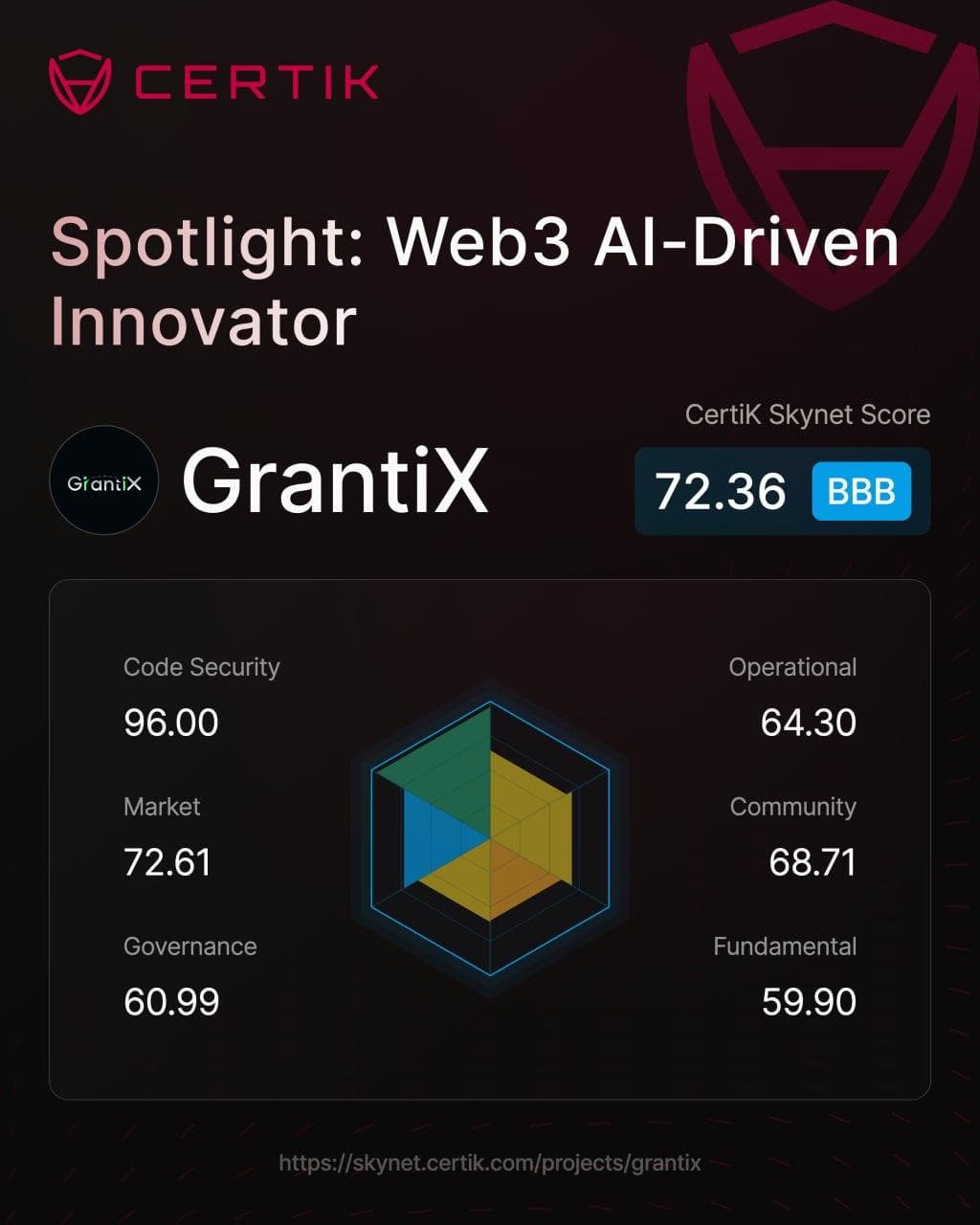
Of course, the grant system exists in Web3 too. Not just in GrantiX (for social projects), but also for knowledge you haven't acquired yet.
- Gitcoin Grants—crowdfunding for educational initiatives (you can get funding for your own course)
- Web3 Foundation Grants—grants up to $100k for educational projects in Polkadot/Kusama
- Chainlink Foundation—free courses on oracles and smart contracts
This option is perfect for those who can't afford paid education, as well as for teachers who want to launch their own Web3 courses.
4. Communities and mentorship
- Buildspace—6-week intensive programs with mentors from top projects (Uniswap, Polygon, etc.)
- Developer DAO—a community of 10k+ developers helping newcomers
- Web3 University—an aggregator of free courses from Ethereum Foundation and others
Networking with professionals is the best thing modern education and courses can offer today, and Web3 education actively utilizes this. It's a faster way to find a job or the internship you need.
The opportunity to find work or internships.
We also can't ignore the social impact inevitably stemming from Web3 education principles. Let’s see the main game changers!
For people with disabilities
- Remote learning without physical barriers
- Opportunity to work in IT without office restrictions
For residents of developing countries
- Education without dollar payments (grants available in USDC)
- A chance to enter the global economy through Web3 freelancing
For women and minorities
- Blockchain anonymity reduces discrimination in hiring
- DAO communities support diversity initiatives
⚡️What do you think—is traditional education already starting to fall behind? We're open for discussion!