Tennessee, USA: blockchain for enhancing social services efficiency
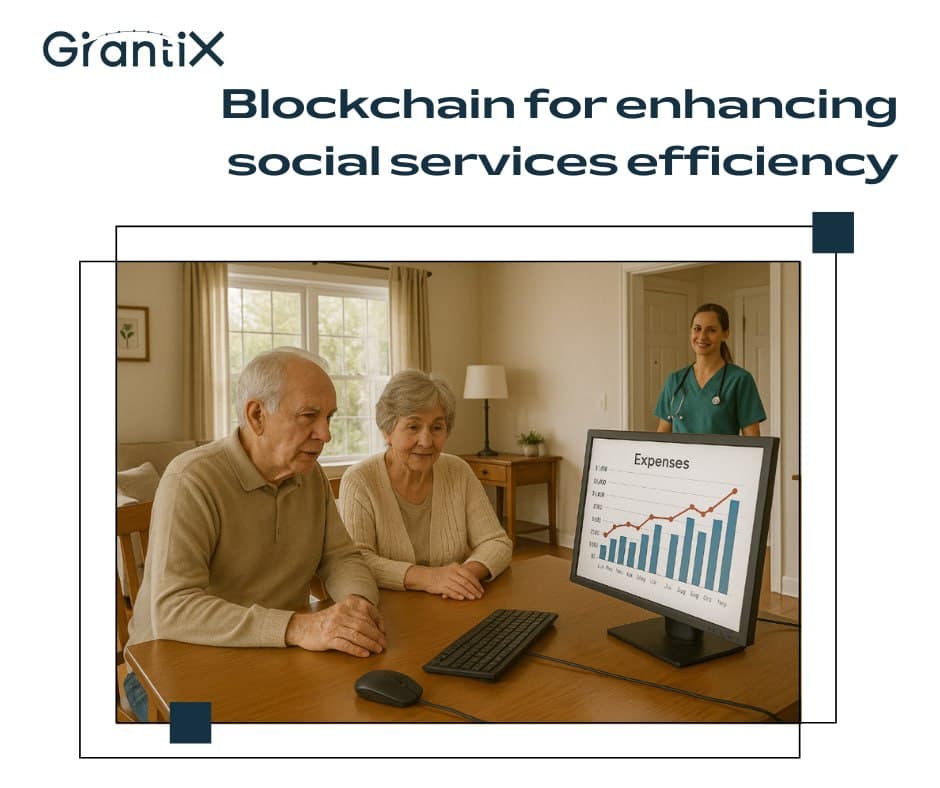
🎯 Implementing blockchain technology in social services
In Tennessee, innovative blockchain technology is being implemented as part of the Social Services Block Grant (SSBG) program, which provides home care and adult day care services for low-income elderly individuals. This initiative aims to improve coordination between government agencies and enhance transparency in the distribution of funds, enabling more effective assistance for those in need.
💡 Benefits of blockchain technology for social services
Blockchain allows every transaction to be tracked in real-time, ensuring transparency in the use of public funds. This improves the operation of organizations involved in social assistance, reduces administrative costs, and minimizes the possibility of fraud. With these technologies, social organizations can focus on real support, rather than paperwork.
🔗 How blockchain builds trust and improves coordination
The use of blockchain systems has enhanced coordination between various social agencies, ensuring more seamless assistance for the elderly. Information about expenditures becomes accessible to all stakeholders, helping to build trust among recipients and donors. Every step of the process is now transparent, and funds are spent as intended.
📈 Long-term prospects of blockchain in social programs
Implementing blockchain in the SSBG program is just the beginning. In the future, the technology can be expanded to broader social programs, such as support for families with children, aid for people with disabilities, and affordable housing initiatives. This will open up new opportunities for more efficient use of resources and improving the quality of social services on a national level.
🌱 Importance for the elderly
Blockchain-based systems make assistance for the elderly more accessible and efficient. Transparency and high coordination between agencies allow for timely and high-quality home care and other necessary services, especially for those with low income.