Cryptodonations and Web3: how blockchain is changing trust in social financing
Cryptocurrencies are increasingly being viewed not only as an investment tool but also as part of a new infrastructure for social change. For charitable organizations, social projects, and donors, Web3 opens up the opportunity to make financial support more transparent, faster, and accessible on an international level.
In an interview with PHINEO, experts from Bank Frick emphasize that cryptocurrencies and blockchain technologies are already becoming an important topic for the nonprofit sector. Their value lies not only in the ability to accept donations in Bitcoin, Ethereum, or other digital assets but also in creating a new model of trust between donors and organizations.
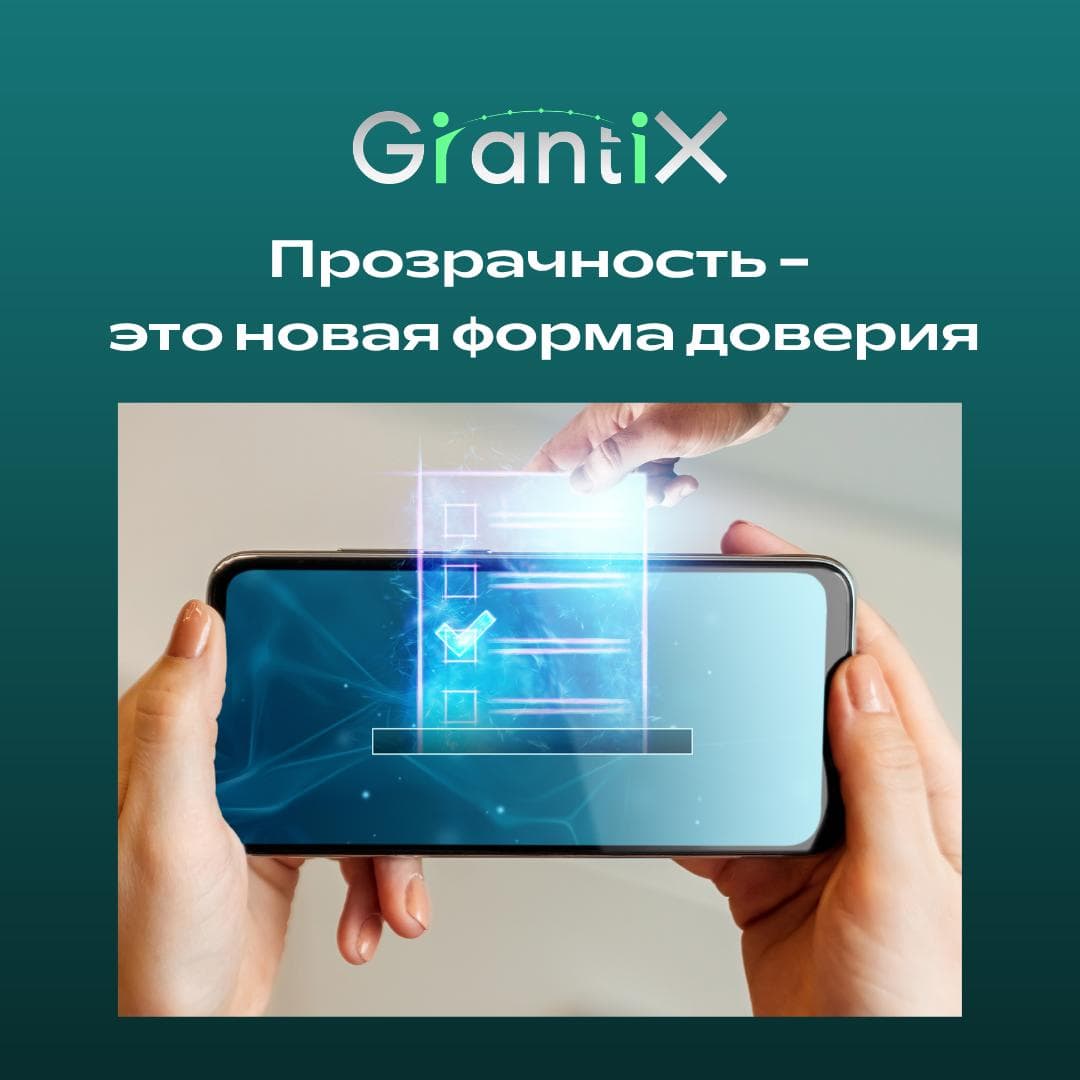
The main advantage of blockchain for the social impact sector is transparency. The technology allows for direct transfers of funds, tracking the movement of transactions, and seeing how financial support travels from donor to recipient. This is especially important for charity: when a person understands where the funds are directed and what results they help create, trust becomes not an abstract promise but a verifiable experience.
The culture of interacting with finances is also changing. The younger generation is already using digital assets and Web3 tools, so they expect greater openness from any financial processes, including donations, support for social initiatives, and international aid. Against this backdrop, crypto donations are becoming not just a technological experiment but a potential new standard for global social financing.
For GrantiX, this topic is particularly important because the platform develops at the intersection of charity, social initiatives, and Web3. Blockchain can help make project support more understandable, sustainable, and accessible for people from different countries. At the center of this process is not the cryptocurrency itself, but trust: data transparency, transaction openness, and the ability to see the real path of assistance.