How EU countries are fighting school bullying
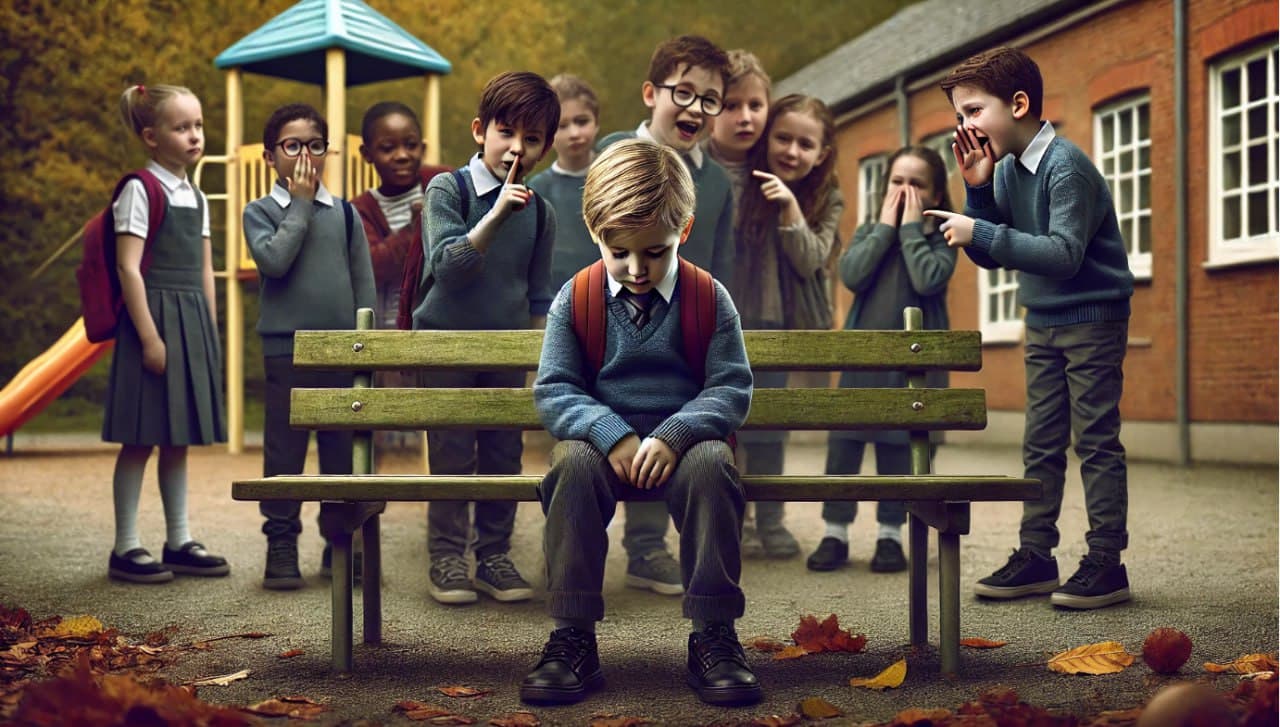
School bullying remains one of the most pressing issues in educational institutions worldwide, and European Union countries are actively taking measures to address this problem. Each year, it becomes clearer that a comprehensive approach is needed to effectively combat bullying.
🔹 Anti-bullying programs and initiatives in the EU
The EU has various programs and initiatives aimed at preventing bullying, including national laws and school projects that are actively supported by governments and non-governmental organizations.
1. United Kingdom: support programs and mandatory training
In the UK, one of the largest initiatives is the Anti-Bullying Alliance, which brings together different organizations and works on educational programs teaching both students and teachers how to tackle bullying. There is also a law that requires every school to have an anti-bullying policy.
2. Germany: “Schule ohne Rassismus” program
Germany runs the "Schule ohne Rassismus – Schule mit Courage" (School Without Racism - School With Courage) program, which focuses on creating a safe school environment and actively combating all forms of discrimination and bullying. Schools participating in the program must hold various anti-bullying activities and educate students on respect.
3. France: strict laws and support programs
France also pays great attention to fighting bullying. In 2019, a law was passed aimed at combating bullying in schools. The law requires schools to monitor bullying incidents and implement measures to prevent harassment. Schools regularly conduct training for teachers and psychologists, as well as active prevention programs for students.
🔹 What helps in the fight against bullying?
To effectively fight bullying, comprehensive measures must be implemented:
- Prevention and education: It is essential for schools to run courses aimed at developing empathy and respect, and to help students understand how important it is to combat bullying.
- Active support for victims: Programs that provide support and psychological help to victims, as well as training to improve their self-esteem, play a key role in the recovery of affected students.
- Legislation: A crucial tool in combating bullying is passing laws that require schools and educational institutions to have anti-bullying policies and regularly inform about violations.
🔹 What role can NGOs play in solving this problem?
Public and charitable organizations play a key role in raising awareness of bullying issues and developing educational programs for children and teachers. For example, the Anti-Bullying Alliance in the UK or Les Papillons Blancs in France are actively involved in education, conducting training and consulting schools.
🔹 How will the EU fight bullying in the future?
In the future, EU countries will continue to strengthen existing measures to combat bullying and develop new strategies. Special attention will be given to integrating technologies, such as online resources for support and educational platforms, as well as creating a centralized database to track and prevent bullying cases across Europe.
It is important to note that by addressing the problem of bullying, the EU is not only making education safer but also contributing to the creation of a respectful and inclusive society.
Each of us can play a crucial role in fighting bullying, starting with being more attentive to those around us and supporting those who face harassment. It’s vital to create an atmosphere of respect, empathy, and acceptance of differences in society. Together, we can change the situation and give future generations the opportunity for harmonious development!