How blockchain is saving children

Child Labour, Supply Chains & Blockchain Transparency
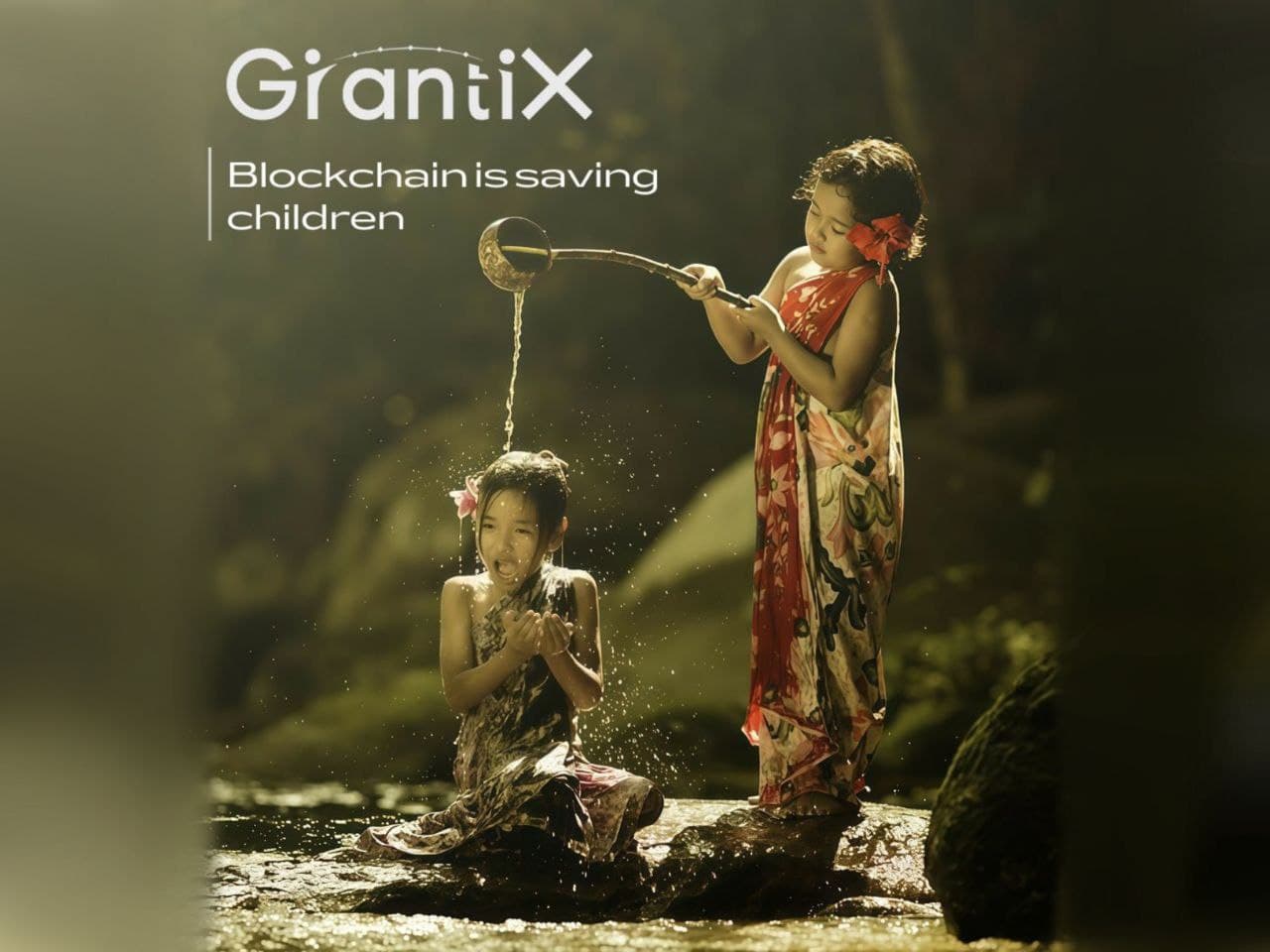
Unfortunately, the problem of child labour is still very real today. In most countries it is considered a form of exploitation and is illegal. But there are entire regions where children’s labour is exploited by the millions: Asia, Africa, Latin America, South America… Children do hard and dangerous work that can cost them not only their health, but also their lives. Yet they keep working in order to survive. According to UN estimates, 138 million children are still working today.
Labels vs. Reality
Today, when you buy chocolate or coffee, you may see labels like “natural” or “eco.” But what’s behind them? Where do the cocoa beans actually come from? Who harvested them and in what conditions? Child labour may be hidden there as well.
Opaque Supply Chains
Complex and opaque supply chains allow this problem to remain invisible to the buyer. This applies to many types of raw materials:
- cobalt,
- mica,
- copper,
- manganese
— the list goes on.
What UNICEF & ILO Recommend
In a joint report, UNICEF and the ILO call for cross‑sector solutions that combine efforts in education, economics, and social policy.
How Blockchain Helps
Blockchain can support ethical impact in the economy by tracking supply chains. We’ve already talked about such projects before, and today we show in an infographic how this works.
Blockchain turns ethics from a nice slogan into measurable impact and a verifiable asset, creating a real digital product passport.
What You Can Do
Next time you buy chocolate, look for a QR code. Ask brands about the transparency of their supply chains.
Together, we can turn supply chains from a source of problems into a tool for positive change. And when demand for child labour keeps shrinking, one day it will no longer be needed at all.