Decentralization vs. Traditional models: The future of social entrepreneurship in Web3


Every year, Web3 is transforming the world of social entrepreneurship, offering new opportunities through decentralization. In this article, we compare centralized and decentralized management models in detail, examine their pros and cons, and provide examples of successful projects using Web3 technologies.
Traditional centralized models
Centralized management models are the classic approach, where decision-making is concentrated in a small group of people, such as leadership or government.
✅ Advantages:
- Clarity and structure: Centralized systems have clear organization and processes, which simplifies management.
- Quick decision-making: With a small number of decision-makers, the process can be quick and efficient.
- Risk control: Centralized systems are easier to control, which helps minimize potential risks.
❌ Disadvantages:
- Lack of flexibility: Centralized structures often struggle to quickly adapt to changes.
- Lack of transparency: These systems can lack full transparency, especially regarding finances and resource allocation.
- Inequality: Decisions are often made in the interests of a small group, limiting opportunities for the majority.
Decentralized models in Web3
Web3 uses smart contracts and blockchain technologies to create more transparent and open ecosystems, where every participant can take part in decision-making.
✅ Advantages:
- Transparency and security: Blockchain ensures a high level of transparency and protection from tampering.
- Flexibility: Decentralized systems can adapt more quickly to changes, as decisions are made collectively.
- Inclusivity: All participants in the ecosystem can make decisions, promoting equality and inclusivity.
❌ Disadvantages:
- Management complexity: Decentralized systems can be more complex to manage due to the involvement of many participants and the absence of a central decision-making body.
- Dependence on technology: Decentralized models are highly dependent on technology, which can lead to technical problems.
- Legal challenges: In some countries, decentralized systems may face legal barriers, as regulations often lag behind technological development.
Examples of successful Web3 projects
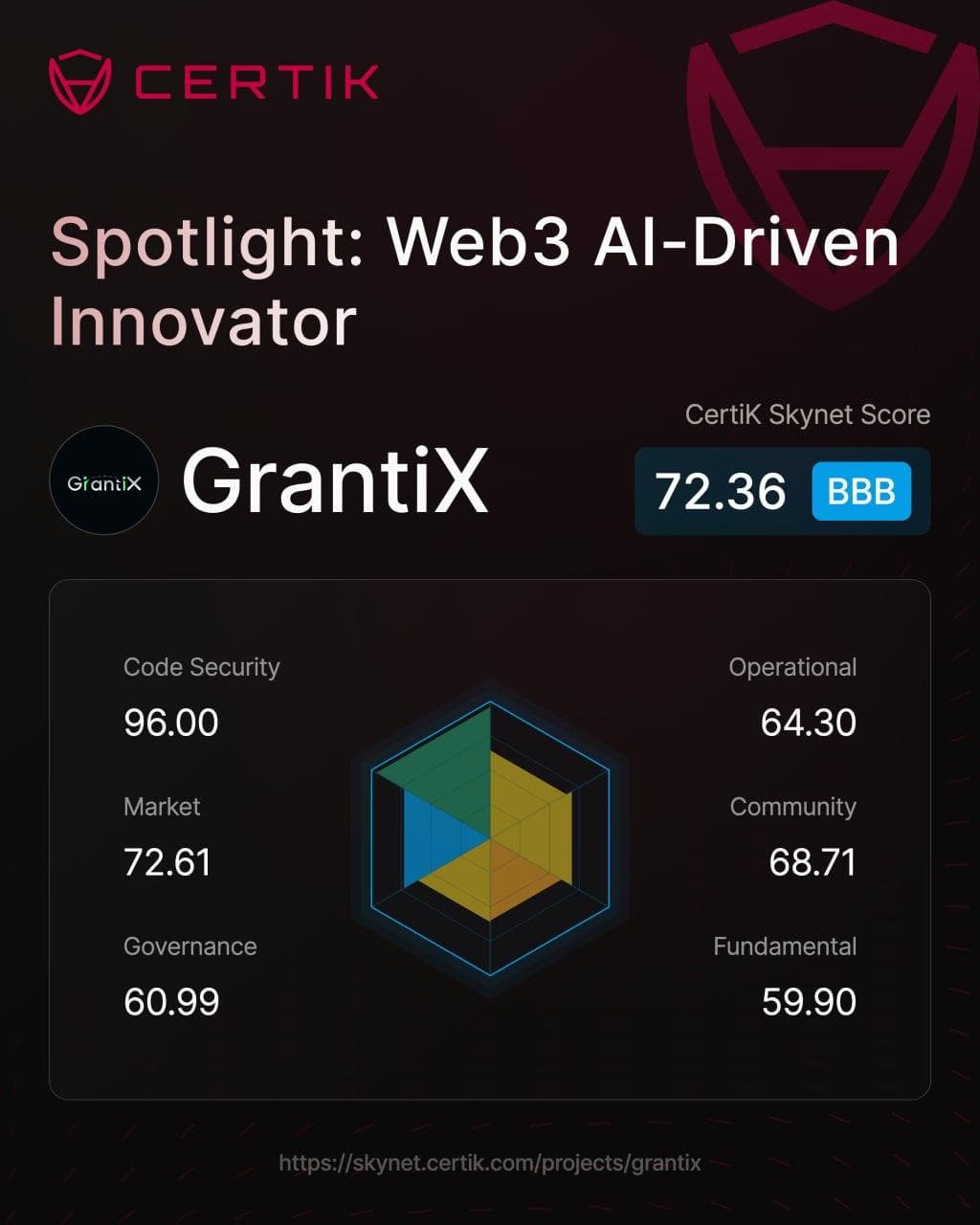
The GrantiX project uses blockchain to create a transparent platform that helps social entrepreneurs attract investments and allows donors to track how their funds are being used. This promotes trust and ensures security.
MolochDAO is a decentralized autonomous organization that funds Web3 projects focused on social change and improving quality of life. This project demonstrates how decentralized approaches can support long-term development and sustainable social initiatives.
The future of social entrepreneurship
What will the future of social entrepreneurship look like in the context of Web3? It is expected that we will see a harmonious combination of centralized and decentralized models, with each using its advantages to create innovative, fair, and sustainable solutions.
What do you think? What role will decentralization play in the future of social entrepreneurship?